Physical Address
304 North Cardinal St.
Dorchester Center, MA 02124
Physical Address
304 North Cardinal St.
Dorchester Center, MA 02124

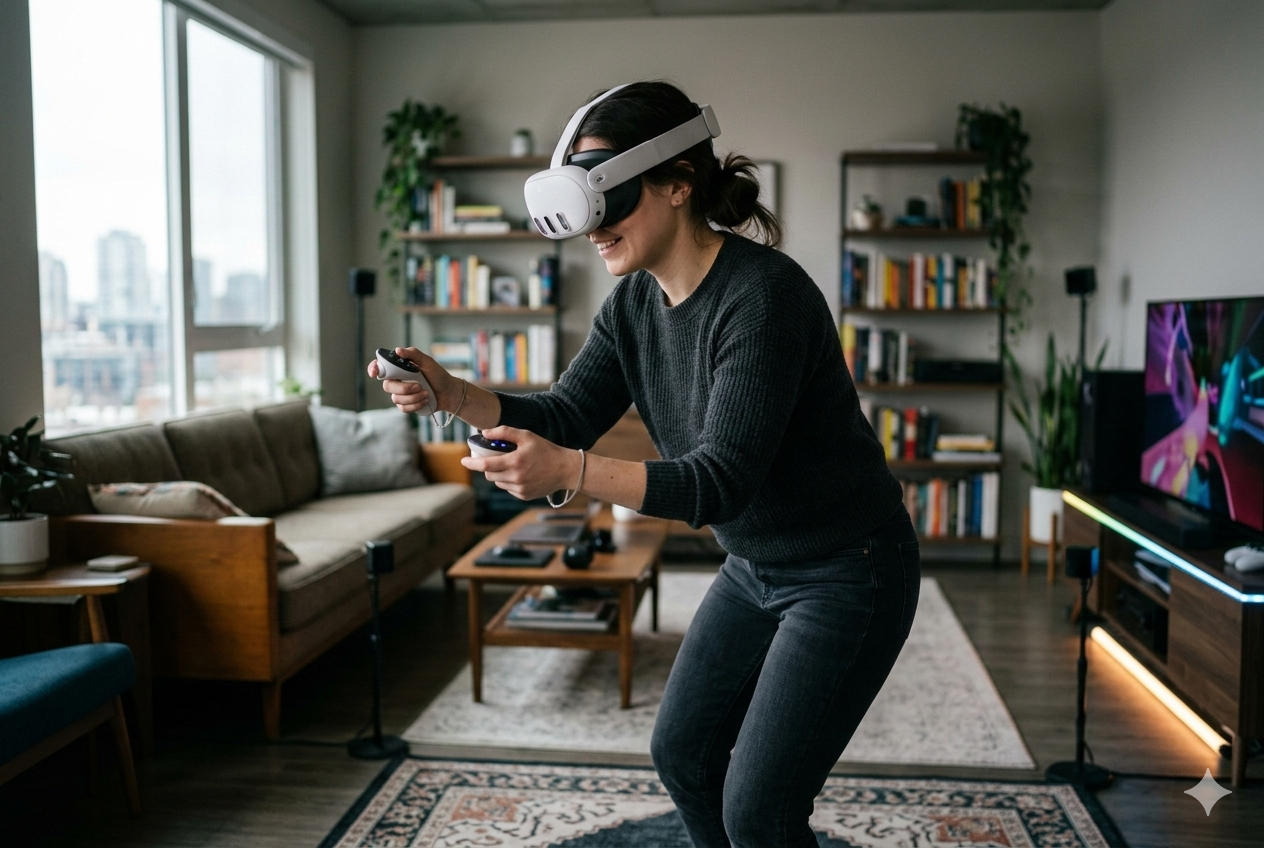
Updated VR stats for 2026: headset shipment trends, AR/VR device volumes, VR software spending, major platforms, and key history like Meta’s Oculus deal—plus an answer box, metrics table, and FAQs.
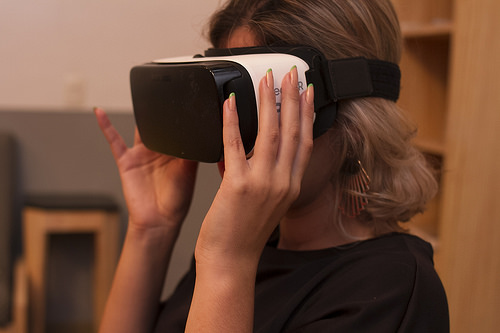
Virtual Reality (VR) is the “put on a headset and go somewhere else” technology—an immersive, computer-generated environment that responds to your head and hand movements. It powers everything from gaming and fitness to workforce training and therapy, and it’s now part of a broader ecosystem often called XR (extended reality), which also includes augmented reality (AR) and mixed reality (MR).
VR growth is now intertwined with XR and smart glasses. IDC projects 14.3 million units shipped in 2025 for a combined category of AR/VR headsets + display-less smart glasses (with smart glasses driving much of the growth). IDC also forecasts related apps/services spending to reach nearly $12B worldwide in 2025. For display-based headsets specifically, reporting citing IDC estimates about 7.5M units shipped in 2024 and a projected 6.6M in 2025, with a possible rebound in 2026. On the history side: Meta’s VR era began with Facebook’s ~$2B Oculus acquisition in 2014.
| Metric | Stat | Year / Notes |
|---|---|---|
| AR/VR + display-less smart glasses shipments | 14.3M units | 2025 forecast (IDC; combined category) |
| Hardware volumes (combined category) | 43.1M units | 2029 forecast (IDC) |
| Apps/services spending tied to AR/VR | ~$12B | 2025 forecast (IDC) |
| Display-based AR/VR headsets shipments | ~7.5M | 2024 estimate cited from IDC (excludes display-less glasses) |
| Display-based AR/VR headsets shipments | ~6.6M | 2025 projection cited from IDC (excludes display-less glasses) |
| Meta acquires Oculus | ~$2B | Deal announced March 2014 (Facebook press release) |
Virtual Reality (VR) immerses you in a fully digital environment using a headset (and usually controllers). Related terms you’ll see in modern stats:
Virtual Reality Statistics & Trends (Updated)Most modern market tracking groups VR headsets alongside AR/MR headsets and, increasingly, smart glasses. IDC’s latest tracking highlights that display-less smart glasses (like AI-enabled eyewear) are driving much of the near-term unit growth—meaning “XR unit growth” does not automatically equal “VR headset boom.”
IDC-linked reporting estimates the market for display-based AR/VR headsets at about 7.5 million units shipped in 2024, with a projected dip to 6.6 million in 2025, followed by a rebound outlook for 2026. This category excludes display-less smart glasses, which is why it can look very different from combined XR forecasts.
Even when headset growth is uneven, usage and monetization can improve. IDC forecasts spending on apps, services, and related technologies tied to AR/VR headsets will rise 19.7% in 2025 to nearly $12 billion worldwide.
IDC’s market share snapshots show Meta holding a large portion of the broader AR/VR + smart glasses market in recent quarters, reflecting the Quest ecosystem’s scale and Meta’s push into smart glasses.
It depends on what you mean by “VR.” Display-based headset shipments have been uneven year to year, while the broader XR category (especially smart glasses) is projected to grow. On the monetization side, IDC expects AR/VR-related software and services spending to keep rising.
VR replaces your view with a virtual environment. AR overlays digital elements onto the real world (usually via cameras or transparent optics). MR blends them with stronger spatial awareness.
Not always. Standalone headsets (like Meta Quest devices) run without a PC. PC VR can still offer higher-end visuals and performance, but it requires a capable computer.
Gaming is still huge, but VR is also widely used for training simulations (safety, medical, industrial), education, therapy/rehab, fitness, and design visualization.
Motion sickness often happens when your eyes perceive movement but your inner ear doesn’t match it. Better headset refresh rates, stable locomotion options, and short acclimation sessions can help.
Bottom line: VR isn’t “gone”—it’s evolving. The market is shifting from a pure gaming-headset story into a wider XR ecosystem where smart glasses, mixed reality, and software/services growth increasingly define the trajectory.