Physical Address
304 North Cardinal St.
Dorchester Center, MA 02124
Physical Address
304 North Cardinal St.
Dorchester Center, MA 02124

Verified William Shakespeare facts for 2026, including his birth and family, the Globe Theatre, First Folio, sonnets, major works, and enduring influence on literature and drama.
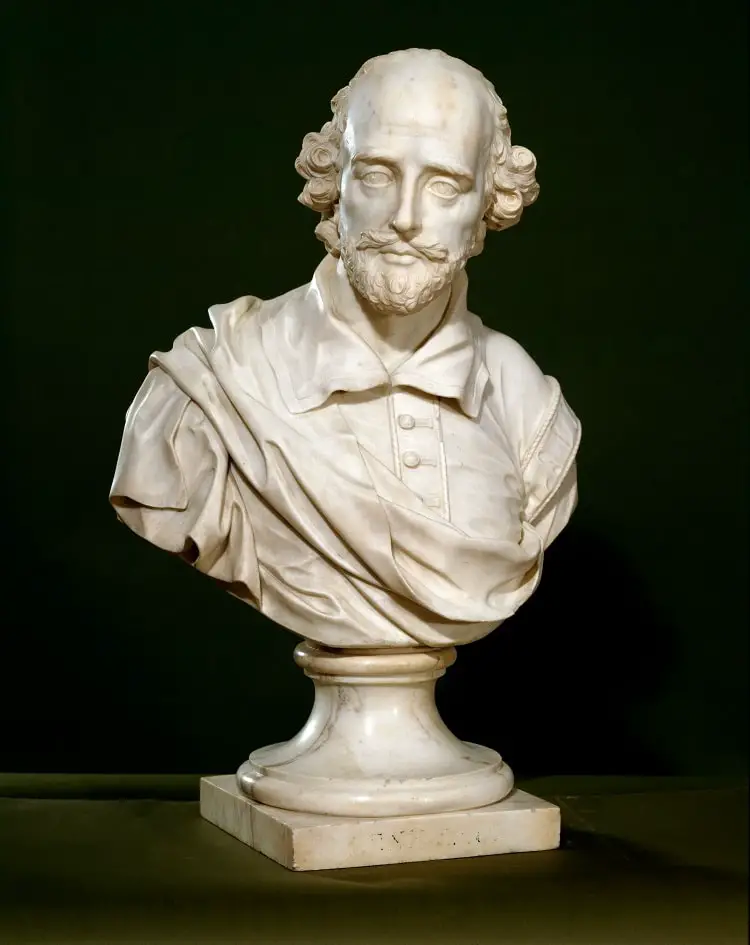
William Shakespeare remains one of the most influential writers in world history. More than 400 years after his death, his plays are still performed globally, his sonnets are still studied in classrooms, and his phrases still shape everyday English. Yet even with his fame, some details about his life remain uncertain, which is part of what makes him so fascinating.
In this expanded guide, you’ll find verified William Shakespeare facts covering his birth and family life, education, career in London’s theater world, the Globe Theatre, the First Folio, and his long-term cultural impact. If you’re looking for a quick reference, a classroom resource, or a deeper overview, this page brings together the key details in one place.
Who was William Shakespeare? An English playwright, poet, and actor widely regarded as one of the greatest writers in the English language.
Born: 1564 in Stratford-upon-Avon, England (exact birth date unknown; he was baptized on April 26, 1564)
Died: 1616 in Stratford-upon-Avon (buried April 25, 1616)
Known for: Plays such as Hamlet, Macbeth, Romeo and Juliet, and Othello, plus his sonnets
Why he matters: Shakespeare’s work transformed English drama and continues to influence literature, theater, film, and popular culture worldwide.
| Fact | Detail |
|---|---|
| Birthplace | Stratford-upon-Avon, England |
| Baptism date | April 26, 1564 |
| Spouse | Anne Hathaway |
| Children | Susanna, and twins Hamnet and Judith |
| Career | Playwright, poet, and actor |
| Major theater association | The Globe Theatre (London stage tradition tied to his company and performances) |
| Sonnets | 154 sonnets (widely accepted count) |
| Death | 1616, Stratford-upon-Avon |
| Legacy milestone | First Folio published in 1623, preserving many plays |
One of the most repeated Shakespeare facts is that he was born on April 23, 1564. However, the documentary record that survives is his baptism entry, which shows he was baptized on April 26, 1564, in Stratford-upon-Avon. Because infants were often baptized soon after birth, historians infer he was likely born a few days earlier. April 23 is traditionally celebrated as his birthday, but it is not definitively documented.
Shakespeare’s life began and ended in Stratford-upon-Avon, a market town in Warwickshire, England. Although he built his career in London’s theater scene, he maintained strong ties to Stratford and eventually retired there. This Stratford connection is central to how his life is studied today, with multiple preserved sites and records linked to his family and estate.
Shakespeare married Anne Hathaway in 1582 when he was 18 years old. Anne was older than William, and their marriage remains one of the most discussed aspects of his early life. The match is well documented and marks the beginning of his family life before his rise as a major playwright in London.
The couple had three children: Susanna, followed by twins Hamnet and Judith. Susanna was born in 1583, and the twins were born in 1585. Hamnet’s death in childhood is often noted by scholars because of the emotional and historical context it adds to Shakespeare’s life, though direct links between personal events and specific plays are often debated.
Shakespeare is widely believed to have attended the local grammar school in Stratford-upon-Avon, where he would have studied Latin, rhetoric, and classical texts. There is no evidence that he attended university. That makes the breadth of his writing even more remarkable, especially given his deep knowledge of history, language, and dramatic structure.
Shakespeare was not only a playwright. He also worked as an actor and was involved in the business side of theater through his company connections. This dual role helped shape his writing style, as he understood stagecraft, audience reaction, performance pacing, and the practical realities of putting plays on stage.
His surviving works span multiple dramatic forms, including tragedies such as Hamlet and Macbeth, comedies such as A Midsummer Night’s Dream, and histories such as Henry V. That range is one reason Shakespeare remains central to theater and literary study: he could write political drama, romance, comedy, and psychological tragedy with equal force.
In addition to his plays, Shakespeare’s sonnets are among the most famous poems in English literature. The accepted count is 154 sonnets. They explore themes including love, time, beauty, jealousy, mortality, and memory, and they remain a major part of Shakespeare scholarship and classroom study.
The original Globe Theatre opened in 1599 and became a major venue for Shakespearean performance in London. It was destroyed by fire in 1613 during a performance and rebuilt in 1614. The Globe’s story is closely tied to Shakespeare’s legacy and to the development of English public theater.
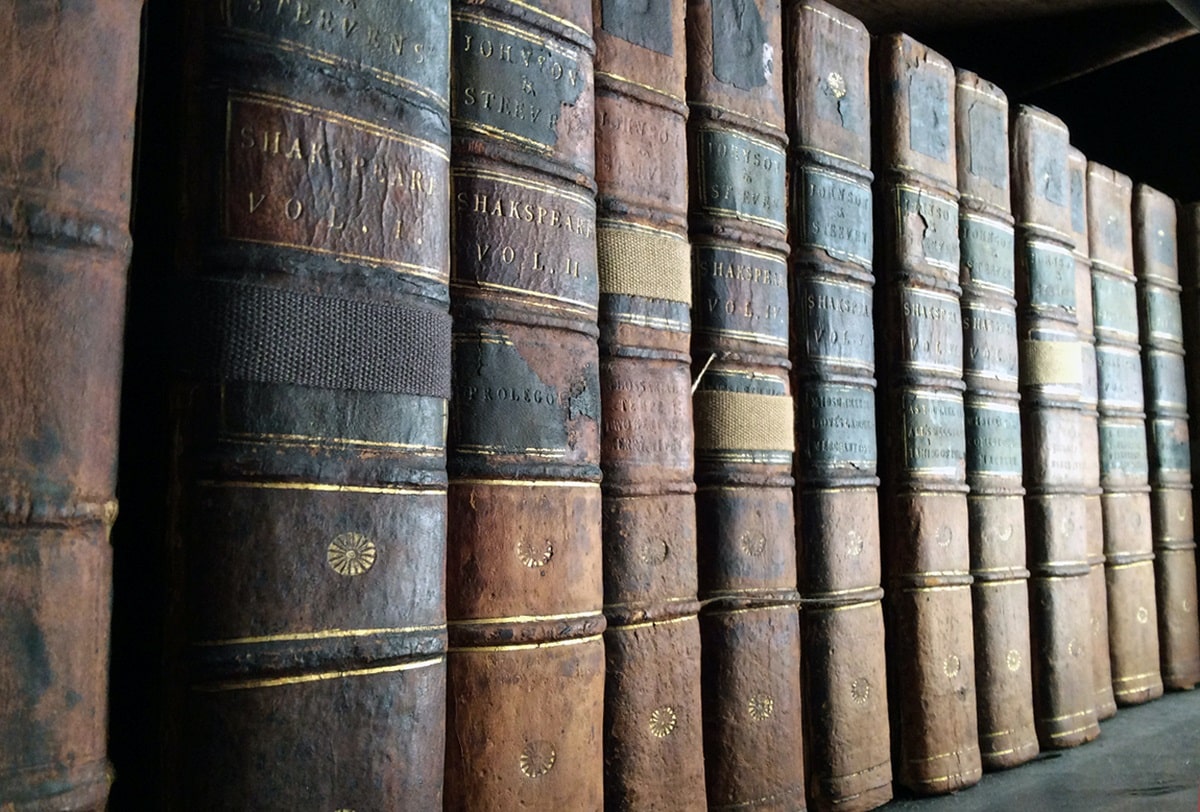
One of the most important milestones in literary history is the publication of the First Folio in 1623, seven years after Shakespeare’s death. Compiled by his fellow actors John Heminges and Henry Condell, it preserved many of his plays that might otherwise have been lost. Without the First Folio, several of Shakespeare’s best-known works may not have survived in full.
Shakespeare is often described as an inventor of words, but the more accurate phrasing is that he is credited with early recorded uses of many words and expressions. His writing popularized memorable phrases and vivid turns of language that have lasted for centuries. Whether in schools, films, speeches, or everyday conversation, his phrasing still appears constantly in modern English.
Shakespeare died in 1616 and was buried in Stratford-upon-Avon. As with his birth date, dates surrounding his death are a key part of Shakespeare biography discussions. He was buried in Holy Trinity Church, where his grave remains one of the most visited literary sites in the world.
Few writers have had the same international staying power. Shakespeare’s plays are translated into many languages, adapted into films and modern retellings, and continuously reinterpreted in different historical and cultural contexts. His stories remain relevant because they explore power, ambition, love, betrayal, identity, and human conflict in ways that still resonate.
Shakespeare’s continuing relevance comes from a rare combination of storytelling power, emotional range, and linguistic influence. His characters feel psychologically real, his plots remain adaptable to modern settings, and his language still challenges and inspires readers. Whether someone first encounters Shakespeare in school or through a film adaptation, his work often becomes a gateway into literature, drama, and history.
He is also a useful case study in how culture is preserved. Records of his life are incomplete. The survival of his works depended on manuscripts, printed editions, and the efforts of collaborators. That combination of uncertainty and preservation has made Shakespeare one of the most researched and debated figures in literary history.
Shakespeare’s exact birth date is unknown. He was baptized on April 26, 1564, and April 23 is traditionally celebrated as his birthday.
The exact count can vary depending on attribution and collaboration debates, but he is generally credited with around 38 plays.
Shakespeare is credited with 154 sonnets.
He was married to Anne Hathaway.
Yes. He had three children: Susanna, and twins Hamnet and Judith.
The First Folio is the 1623 collected edition of Shakespeare’s plays, published after his death. It is one of the most important books in English literary history.
He is strongly associated with the Globe Theatre in London, one of the most famous stages in theatrical history.
William Shakespeare’s life and works continue to reward close reading, performance, and study. From his Stratford beginnings to the global reach of his plays, his legacy remains one of the defining achievements in literary history.