Physical Address
304 North Cardinal St.
Dorchester Center, MA 02124
Physical Address
304 North Cardinal St.
Dorchester Center, MA 02124

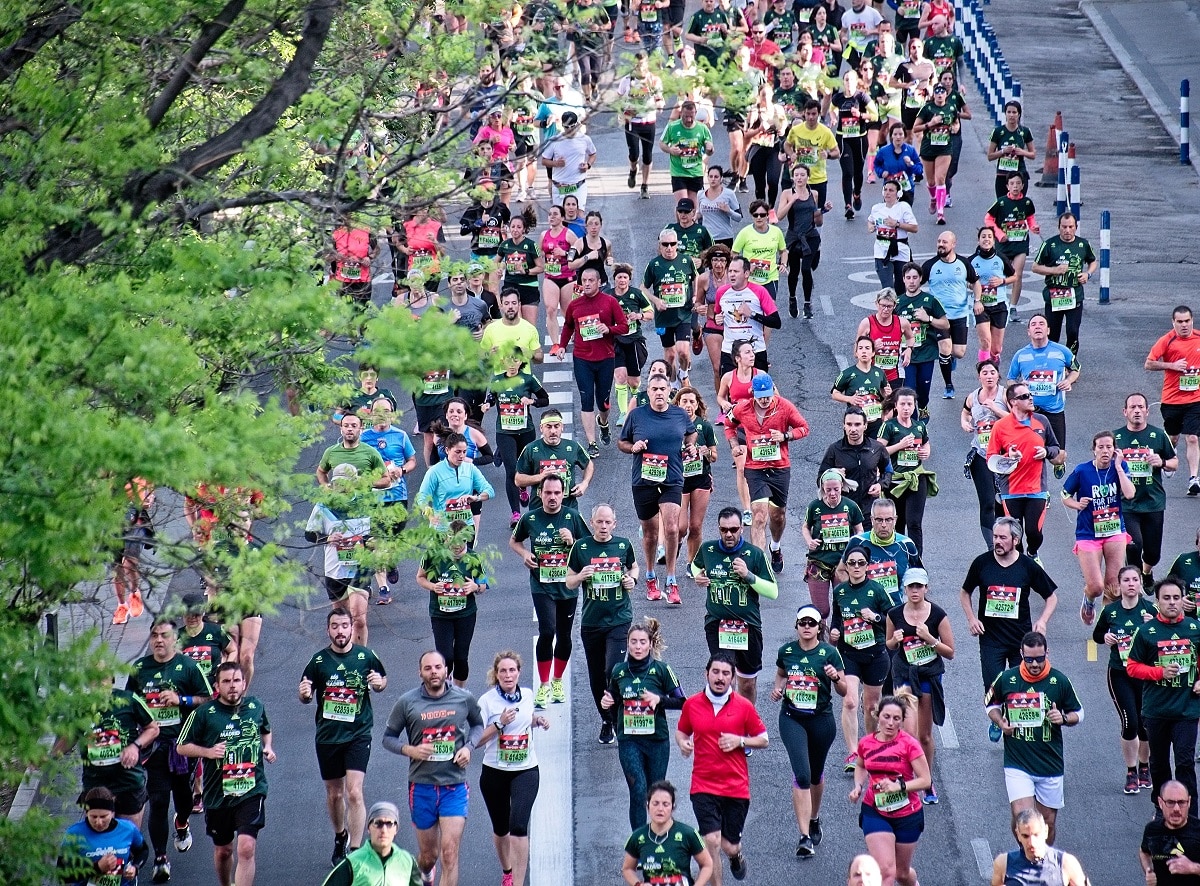
The Boston Marathon is one of the most prestigious and oldest annual marathons in the world. It has been held annually since 1897, and attracts thousands of runners from all over the globe. The race is steeped in history and tradition, and here are 10 fun facts that you may not know about the Boston Marathon.
The Boston Marathon is one of the most famous road races in the world—known for its deep history, challenging course, and Patriots’ Day traditions in Massachusetts. Below are 10 verified facts about the race that many people don’t know, updated for 2026.
The Boston Marathon began in 1897 and is widely recognized as the world’s oldest annually run marathon—one reason it has such a unique place in running history. Source
The Boston Marathon is traditionally held on Patriots’ Day, a Massachusetts state holiday. Since 1969, Patriots’ Day has been observed on the third Monday in April, and the race has been held on that Monday ever since. Source
Boston’s course length changed to the now-standard marathon distance of 26.2 miles in 1924, and the start line moved to Hopkinton to accommodate the longer course. Source
Heartbreak Hill is the final climb in a series of hills through Newton that hit runners late in the race—one major reason Boston is considered a tough course, even for experienced marathoners. Source
While women ran Boston before they were officially recognized, the Boston Athletic Association began recognizing women racers officially in 1972. Source
In 1967, Kathrine Switzer ran Boston and became globally associated with the fight for women’s inclusion in distance running—an iconic moment in marathon history. Source
The Boston Marathon is part of the Abbott World Marathon Majors series. The series began as six events and has since expanded (with Sydney added as a seventh Major). Source
Boston is famous for its qualifying standards, but runners can also participate through charity programs and other official entry paths, depending on the year’s rules and availability. Source
On April 15, 2013, two bombs detonated near the finish line, killing three people and injuring hundreds. After subsequent reviews, the injury toll is commonly cited as 264 injured. Source | Source
World Athletics notes Boston’s heritage status and its position as the world’s oldest annual marathon, underscoring its global prestige as a road race. Source