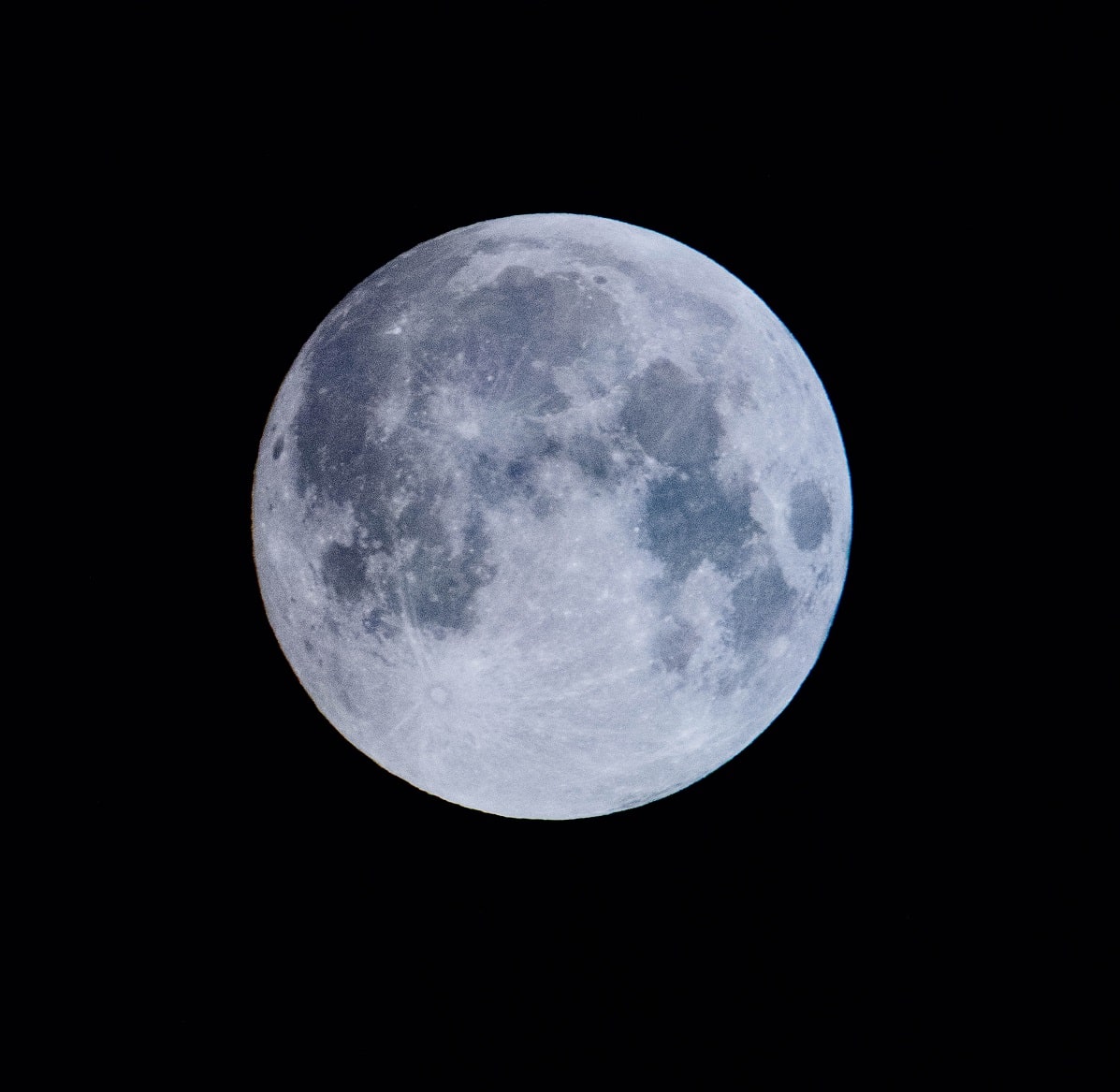
The Moon is one of the most familiar objects in the night sky—and one of the most scientifically valuable. It influences Earth’s tides, stabilizes our planet’s rotation, and preserves a deep record of solar system history.
Below are 10 confirmed Moon facts with sources you can verify.
10 Fun Facts About the Moon for 2026
The Moon is Earth’s only natural satellite and is tidally locked, which is why we always see nearly the same side from Earth.Source: NASA – Moon Facts
It’s the fifth-largest moon in the Solar System, with a diameter of about 3,475 km (about 27% of Earth’s diameter).Source: NASA – Moon Facts
The Moon orbits Earth at an average distance of about 384,400 km (239,000 miles).Source: NASA – Moon Facts
The Moon formed about 4.5 billion years ago (shortly after the solar system formed).Source: NASA – Moon Facts
Its surface gravity is about 1.62 m/s²—roughly one-sixth of Earth’s.Source: NASA – Moon Facts
Because there’s no significant atmosphere, temperatures swing wildly. Commonly cited extremes range from about -173°C (shadow) to 127°C (sunlight).Source: Natural History Museum – Moon factfile
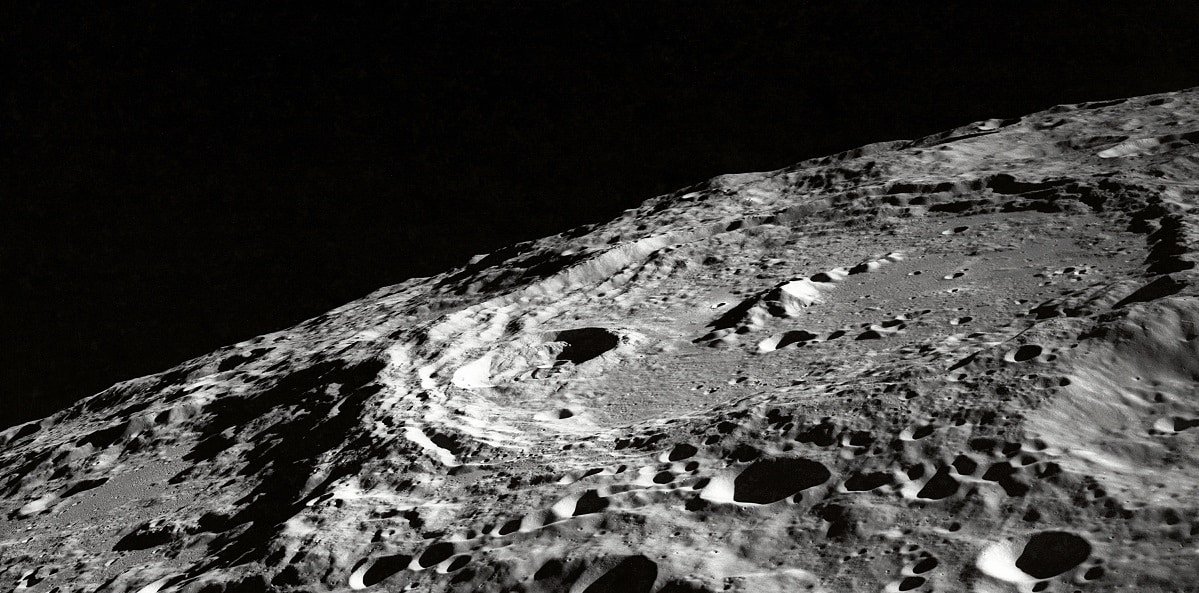
The Moon’s surface is heavily cratered and preserves ancient impact history because it lacks liquid water and strong winds that would erase craters quickly.Source: NASA – Earth’s Moon (craters overview)
Humans didn’t see the Moon’s far side until 1959, when a Soviet spacecraft photographed it during a flyby.Source: NASA – Moon Facts
There’s still a lot to learn about the Moon, and ongoing lunar science continues to refine what we know—especially about its earliest history, its thin exosphere, and the resources that could support future exploration.
DMR Publisher. Director of Marketing by day and I run this little site at night. Other interests include Disney, Sports, 80's Nostalgia, LEGO, Star Wars and Tech Gadgets. Other site is DisneyNews.us.