Physical Address
304 North Cardinal St.
Dorchester Center, MA 02124
Physical Address
304 North Cardinal St.
Dorchester Center, MA 02124


Explore Valentine’s Day facts and stats—from origins and card counts to U.S. spending trends and flower data. Includes a quick answer box, key metrics table, and FAQs.
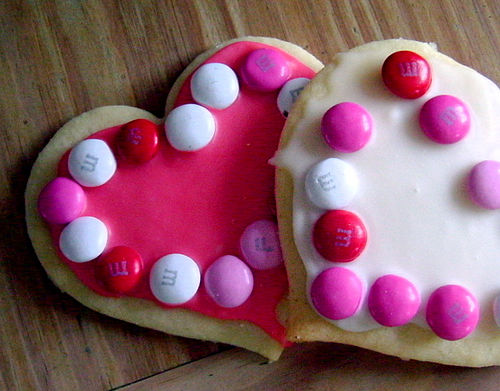
Valentine’s Day (February 14) is a global celebration of love in many forms—romantic partners, close friends, family, classmates, and even pets. It’s also a major moment for consumer spending, with gifts like candy, flowers, cards, jewelry, and special dinners driving billions in sales each year.
Valentine’s Day is celebrated on February 14 and has a long, layered history—from ancient mid-February Roman traditions to medieval-era poetry linking the date with romance. In the U.S., it’s also one of the biggest seasonal spending events: NRF projects $29.1 billion in spending for 2026, with shoppers budgeting $199.78 on average. Candy is the most commonly planned gift, and Americans send 145+ million Valentine’s Day cards each year.
| Metric | Stat | Year / Notes |
|---|---|---|
| Total U.S. spending | $29.1 billion (projected) | 2026 (NRF/Prosper survey) |
| Total U.S. spending | $27.5 billion | 2025 (NRF/Prosper survey) |
| Total U.S. spending | $18.2 billion | 2017 (NRF; historical comparison) |
| Average planned spend per person | $199.78 | 2026 (NRF/Prosper survey) |
| Average spend per person | $136.57 | 2017 (NRF; reported in ABC News) |
| % of consumers celebrating | 55% | 2026 (NRF/Prosper survey) |
| Most popular gift | Candy (56% plan to buy) | 2026 (NRF/Prosper survey) |
| Cards exchanged | 145+ million cards | Ongoing estimate cited by History.com (Hallmark figure) |
| Roses produced | 250+ million roses | Estimated for Valentine’s Day (Society of American Florists) |
1) First strong link between Valentine’s Day and romantic love (14th century)
Many historians and literary scholars point to Geoffrey Chaucer’s circle and late-1300s writing as an early, influential moment that helped connect February 14 with courtly love traditions.
2) Ancient roots: mid-February Roman traditions
Valentine’s Day has a “layered” origin story. Popular histories often reference ancient Roman mid-February customs (including Lupercalia), and later Christian feast days, as part of the holiday’s long evolution.
3) When did cards and small gifts become a mainstream Valentine’s tradition?
By the 18th century, exchanging handwritten notes, poems, and tokens of affection had become increasingly common in England and later the United States, before mass-printed valentines accelerated the trend in the 19th century.
4) How much Americans spent on Valentine’s Day (2017)
$18.2 billion was the NRF estimate for 2017 planned spending—an important historical benchmark if you’re comparing how the holiday has grown over time.
5) How much Americans are expected to spend (2026)
NRF projects a new record of $29.1 billion in total spending for 2026, with shoppers budgeting $199.78 on average.
6) What gifts are most popular (2026)
According to NRF, candy remains the most popular planned gift (56%), followed by flowers (41%) and greeting cards (41%). Jewelry is a smaller share of purchases, but a major share of dollars.
7) How many people plan to celebrate (2026)
NRF reports 55% of consumers plan to celebrate Valentine’s Day in 2026—showing the holiday remains widely observed even as traditions broaden beyond couples.
8) How many Valentine’s Day cards are sent?
A commonly cited Hallmark figure (reported by History.com) says more than 145 million Valentine’s Day cards are sent each year—making it one of the biggest card-giving holidays.
9) How big is Valentine’s Day for roses?
The Society of American Florists estimates 250+ million roses are produced for Valentine’s Day, highlighting just how much the floral supply chain ramps up for February 14.
10) Valentine’s Day looks different around the world (Finland example)
In Finland, February 14 is widely known as Ystävänpäivä—literally “Friend’s Day”—with a stronger emphasis on celebrating friendship and appreciation beyond romance.
FAQ: Valentine’s Day FactsThe modern holiday blends multiple historical threads, including Christian saint stories and older mid-February traditions. Over time, literature and popular customs helped cement February 14 as a day associated with love and affection.
A widely cited estimate (from Hallmark, reported by History.com) is 145+ million cards sent each year.
In the U.S., NRF projects $29.1 billion in total spending for 2026. For historical context, NRF estimated $18.2 billion in 2017.
NRF reports candy is the most popular planned gift for 2026 (56% of shoppers plan to buy it), followed by flowers and greeting cards.
The Society of American Florists estimates 250+ million roses are produced for Valentine’s Day.
Bottom line: Valentine’s Day isn’t just a romantic holiday—it’s a major cultural and retail moment that blends centuries of evolving tradition with modern gifting trends.