Physical Address
304 North Cardinal St.
Dorchester Center, MA 02124
Physical Address
304 North Cardinal St.
Dorchester Center, MA 02124
Updated robocall statistics and facts with verified FTC data, complaint trends, scam insights, and practical consumer tips. Includes FAQ, key metrics table, and sources.

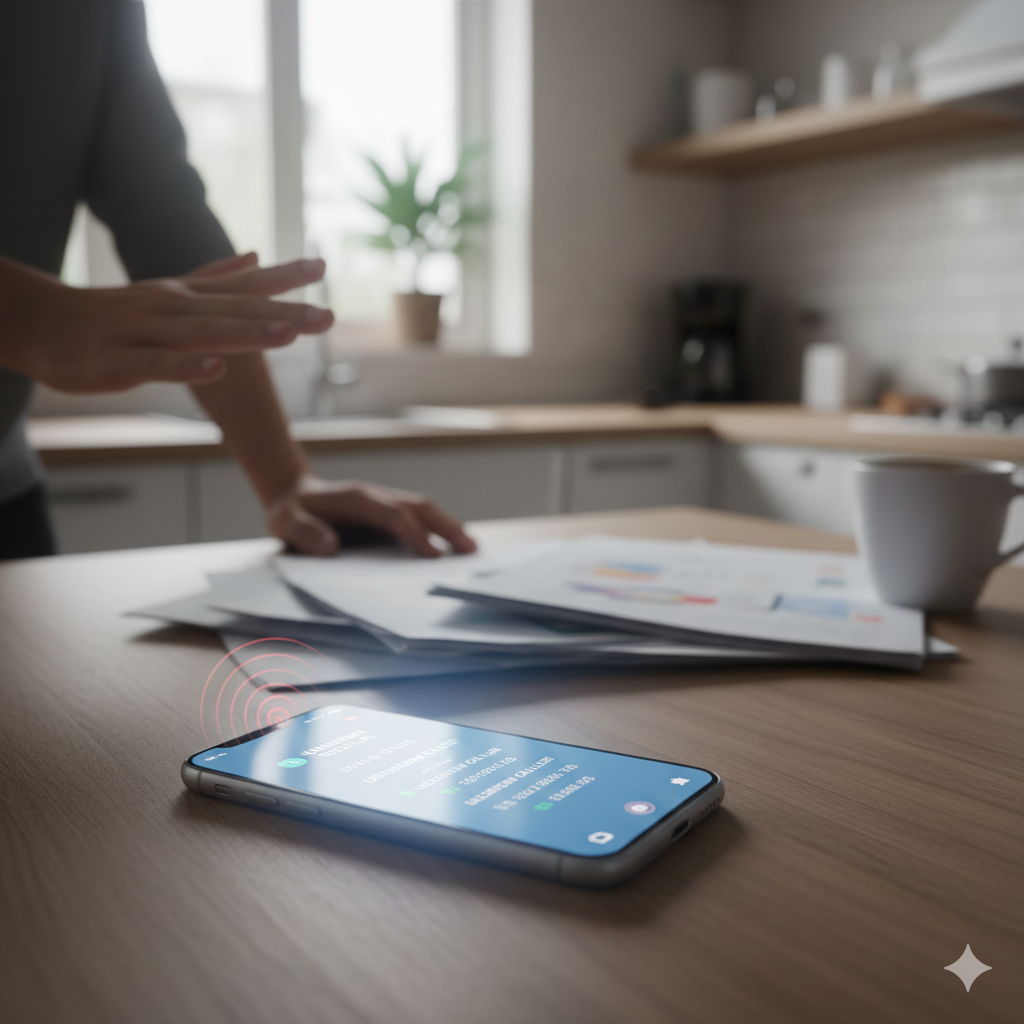
Robocalls remain one of the most persistent consumer nuisances in the United States. These automated calls can range from legal informational messages (such as appointment reminders and school alerts) to illegal telemarketing calls and scam calls that spoof real phone numbers. While call-blocking tools, carrier filtering, and federal enforcement actions have improved the landscape, robocalls and related scam calls still affect millions of people every year.
This updated reference guide compiles verified robocall statistics and facts, including complaint trends, enforcement data, and practical consumer protection information. The goal is to provide a neutral, source-backed overview that is useful for researchers, journalists, students, and everyday consumers.
How big is the robocall problem in the U.S.?
According to the FTC’s National Do Not Call Registry Data Book for fiscal year 2024, the agency received 2,085,133 complaints overall, including 1,518,244 unwanted call complaints and 567,889 unwanted text message complaints.
How many complaints specifically involved robocalls?
The FTC reported about 578,000 complaints in FY 2024 where consumers said the unwanted call was a robocall.
Are complaints rising or falling?
FTC data for FY 2024 showed a 48% reduction in unwanted call complaints compared with FY 2023, and a 35% reduction in unwanted text complaints.
| Metric | Figure | Source / Date |
|---|---|---|
| FTC National Do Not Call Registry active registrations | 253+ million registrations | FTC (as of Sept. 30, 2024) |
| Total FTC Do Not Call complaints | 2,085,133 complaints | FTC FY 2024 Data Book |
| Unwanted call complaints | 1,518,244 complaints | FTC FY 2024 Data Book |
| Unwanted text complaints | 567,889 complaints | FTC FY 2024 Data Book |
| Complaints identified as robocalls | ~578,000 | FTC FY 2024 Data Book |
| Complaints identified as live callers | ~201,000 | FTC FY 2024 Data Book |
| Change in unwanted call complaints (YoY) | -48% | FTC FY 2024 vs. FY 2023 |
| Change in unwanted text complaints (YoY) | -35% | FTC FY 2024 vs. FY 2023 |
A robocall is an automated phone call that delivers a prerecorded message, or in some cases uses automated dialing technology to connect a call before transferring to a live agent. Not all robocalls are illegal. For example, some are used for school closings, appointment reminders, fraud alerts, and healthcare notifications.
Illegal robocalls typically involve:
Robocalls are more than an annoyance. Scam robocalls can lead to financial losses, identity theft, and privacy risks. They also create productivity costs for households and businesses by interrupting work, increasing missed legitimate calls, and undermining trust in phone communication.
For many people, the bigger problem is no longer just volume—it is uncertainty. Because spoofing can make scam calls appear local or appear to come from recognizable institutions, consumers may ignore legitimate calls from doctors, schools, or employers.
Robocall Trends and ContextFTC complaint totals are useful for trend analysis, but they do not measure every robocall placed in the U.S. Complaint levels can change due to improved carrier blocking, changes in scammer tactics, public awareness, and reporting behavior.
Many scam operations shift between calls and text messages depending on what is working. That is why FTC complaint data now often gets discussed alongside unwanted text complaint trends, not just voice calls.
The National Do Not Call Registry remains an important consumer protection tool, but scammers frequently ignore the law. People on the registry may still receive illegal calls from bad actors, especially spoofed scam calls.
Scam campaigns change frequently, but common robocall patterns include:
No. Some robocalls are legal and useful, such as school alerts, appointment reminders, and fraud notifications. Illegal robocalls generally involve telemarketing without proper consent or scam activity.
It can reduce some legal telemarketing calls, but it does not stop scammers who ignore the law. It is still worth registering because it helps enforcement and can reduce legitimate telemarketing calls.
Hang up if the call is suspicious. Do not provide personal information, payment details, or one-time codes. If the caller claims to represent a real organization, hang up and call the organization directly using its official website or your account statement.
Yes. Caller ID spoofing is common and is one reason scam calls can appear trustworthy. Treat unexpected calls cautiously even if the number looks local.
You can report unwanted calls and texts through the FTC’s reporting tools, including the National Do Not Call Registry complaint process and reportfraud.ftc.gov.
Robocalls are a moving target, but verified data and basic call safety habits can make a big difference. If you use this page as a reference, check the source dates on each statistic and prioritize official FTC and government publications whenever possible.