What is Juneteenth?
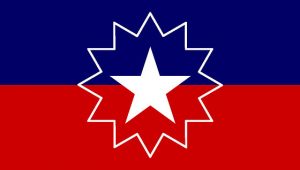
Juneteenth (a blend of “June” and “nineteenth”) is observed on June 19 and commemorates the announcement of freedom for enslaved people in Texas on June 19, 1865, when U.S. Army Major General Gordon Granger issued General Order No. 3 in Galveston.
Juneteenth is closely connected to the Emancipation Proclamation, which took effect on January 1, 1863 and declared freedom for enslaved people in areas in rebellion. Because enforcement depended on the presence of Union forces, emancipation unfolded unevenly across regions during the Civil War.
When is Juneteenth?
Every year on June 19.
Observed date note: When June 19 falls on a weekend, many workplaces observe the holiday on the nearest weekday (typically Friday if it falls on Saturday, or Monday if it falls on Sunday).
Juneteenth Fast Facts
- Official name (U.S. federal holiday): Juneteenth National Independence Day
- Is Juneteenth a U.S. federal holiday? Yes. The Juneteenth National Independence Day Act was signed into law on June 17, 2021.
- What happened on June 19, 1865? General Order No. 3 announced that enslaved people in Texas were free.
- Where is Juneteenth observed? Nationwide across the United States, with observances that vary by state, city, and community.
Key Dates in Juneteenth History
- January 1, 1863: Emancipation Proclamation takes effect.
- June 19, 1865: General Order No. 3 issued in Galveston, Texas.
- 1980: Texas establishes Juneteenth as a legal state holiday (Emancipation Day in Texas).
- June 17, 2021: Juneteenth becomes a U.S. federal holiday (Public Law 117-17).
Other Names Used for Juneteenth
Juneteenth is also commonly referred to as Emancipation Day, Jubilee Day, and Freedom Day in various communities and historical contexts.
How Juneteenth Is Observed
Observances vary by community and may include educational programs, public ceremonies, historical readings (including General Order No. 3), family gatherings, and cultural events.