Physical Address
304 North Cardinal St.
Dorchester Center, MA 02124
Physical Address
304 North Cardinal St.
Dorchester Center, MA 02124

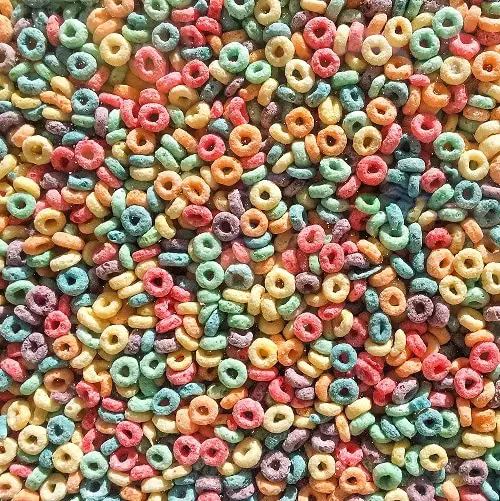
Updated cereal facts for 2026: origins (Granula 1863), modern cereal box timeline, global market size, why cereal became mainstream, nutrition basics, National Cereal Day (March 7), key metrics table, and FAQs.
Cereal went from “health spa experiment” to a global breakfast staple in about a century. Today you’ll find everything from ultra-sweet nostalgia brands to high-fiber, high-protein, whole-grain options—plus cereal-inspired snacks, desserts, and even breadcrumb substitutes in the kitchen.
Below are the most verifiable cereal facts and stats (history, packaging milestones, and market sizing), with a quick answer box, key metrics table, and FAQ.
Sources:
Smithsonian (Granula) |
Sosland (cereal box history) |
Grand View Research (market size) |
General Mills (Cheerios history) |
National Day Calendar
| Metric | Figure | Year / As-of | Source |
|---|---|---|---|
| First manufactured breakfast cereal | Granula (invented by James Caleb Jackson) | 1863 | Smithsonian |
| Cereal box packaging milestone | Cardboard box used for Kellogg’s Corn Flakes | 1906 | Sosland |
| Bag-in-box packaging milestone | Heat-sealed bag inside box (modern format) | 1924 (historical packaging timeline) | American University Magazine |
| Global breakfast cereal market size | $41.12B | 2024 (estimate) | Grand View Research |
| Global breakfast cereal market projection | $50.66B | 2030 (forecast) | Grand View Research |
| Cheerios launch | “Cheerioats” (renamed in 1945) | 1941 | General Mills |
| National Cereal Day | March 7 | Annual observance | National Day Calendar |
Granula is widely cited as the first manufactured breakfast cereal, invented in 1863 by James Caleb Jackson. Source
Cereal’s growth is closely linked to late-1800s health reform movements and the commercial expansion of ready-to-eat cereals in the early 1900s. Source
Packaging histories commonly cite Kellogg using a cardboard box for Corn Flakes around 1906, and later improvements adding sealed inner liners/bags to keep cereal fresh. Source
One estimate from Grand View Research puts the global breakfast cereal market at $41.12B in 2024, projected to reach $50.66B by 2030. Source
National Cereal Day is commonly observed on March 7. Source