304 North Cardinal St. Dorchester Center, MA 02124
10 Things You Didn’t Know About April Fools’ Day (2026 Facts & Traditions)
April Fools' Day, also known as All Fools' Day, is a day of pranks and practical jokes that is celebrated in many countries around the world.
I thought it might be interesting to do a bit of a deep dive into this strange quasi-holiday. I hope you enjoy these factoids and learn a thing or two about April Fool's Day that you didn't know.
April Fools’ Day (April 1) is a prank-filled tradition observed in many countries, but its origins and customs vary a lot depending on where you are. Below are 10 confirmed facts about where the day likely came from, how it’s celebrated around the world, and a few of the most famous hoaxes tied to it.
Quick takeaway: April Fools’ Day has no single confirmed origin, but it’s widely associated with springtime “fool’s errands,” regional prank traditions, and modern media/brand hoaxes.
10 Things You Didn’t Know About April Fools’ Day (2026)
The origin story is still debated. Historians have proposed multiple explanations for April Fools’ Day, including European calendar changes and older springtime “misrule” traditions, but there’s no single universally accepted origin.
The “France calendar change” theory is popular—but not definitive. One common explanation links April Fools’ to New Year celebrations shifting to January 1 in parts of Europe, with people who kept celebrating around late March/early April being mocked. Researchers also note there are references to April 1 fooling traditions that predate some of these calendar changes.
In France, it’s famously tied to an “April Fish.” April 1 is often called Poisson d’Avril (“April Fish”), and a classic prank is taping a paper fish to someone’s back without them noticing.
In the UK, a long-running custom says pranks should stop at noon. In many UK traditions, April 1 jokes are considered fair game only until midday—after that, the prankster is the “April fool.”
Scotland historically treated it as more than a one-day event. April Fools’ customs in Scotland are often linked to “Hunt-the-Gowk” style fool’s errands (sending someone to deliver a message that keeps bouncing them to the next person), and sources commonly describe extended/second-day traditions in Scottish lore.
One of the earliest recorded English-language pranks involved the Tower of London. A well-known historical hoax invited people to come see the “washing of the lions” at the Tower of London—an infamous fool’s errand associated with April 1 traditions.
Iran has a prank tradition that often falls around April 1–2. “Dorugh-e Sizdah” (“Lie of the Thirteen”) is associated with Sizdah Bedar (the 13th day after Nowruz) and is often described as an Iranian prank day occurring around the beginning of April.
In Spain and many Spanish-speaking countries, the big prank day is not April 1. A rough equivalent is Día de los Santos Inocentes (Day of the Holy Innocents) on December 28, which is widely associated with practical jokes (“inocentadas”).
The BBC’s “spaghetti-tree” broadcast is one of the most famous media hoaxes ever. On April 1, 1957, BBC Panorama aired a segment showing spaghetti being “harvested” from trees—many viewers believed it and contacted the BBC afterward.
Brands have a long track record of April 1 stunts—one of the biggest was Taco Bell’s “Liberty Bell” prank. In 1996, Taco Bell ran ads claiming it had purchased and renamed the Liberty Bell as part of an April Fools’ joke, prompting widespread reaction before the reveal.
So there you have it—10 verified April Fools’ Day facts spanning origins, traditions, and famous hoaxes. If you have a favorite regional tradition (or a classic prank that actually landed), feel free to share it.
Craig Smith
DMR Publisher. Director of Marketing by day and I run this little site at night. Other interests include Disney, Sports, 80's Nostalgia, LEGO, Star Wars and Tech Gadgets. Other site is DisneyNews.us.

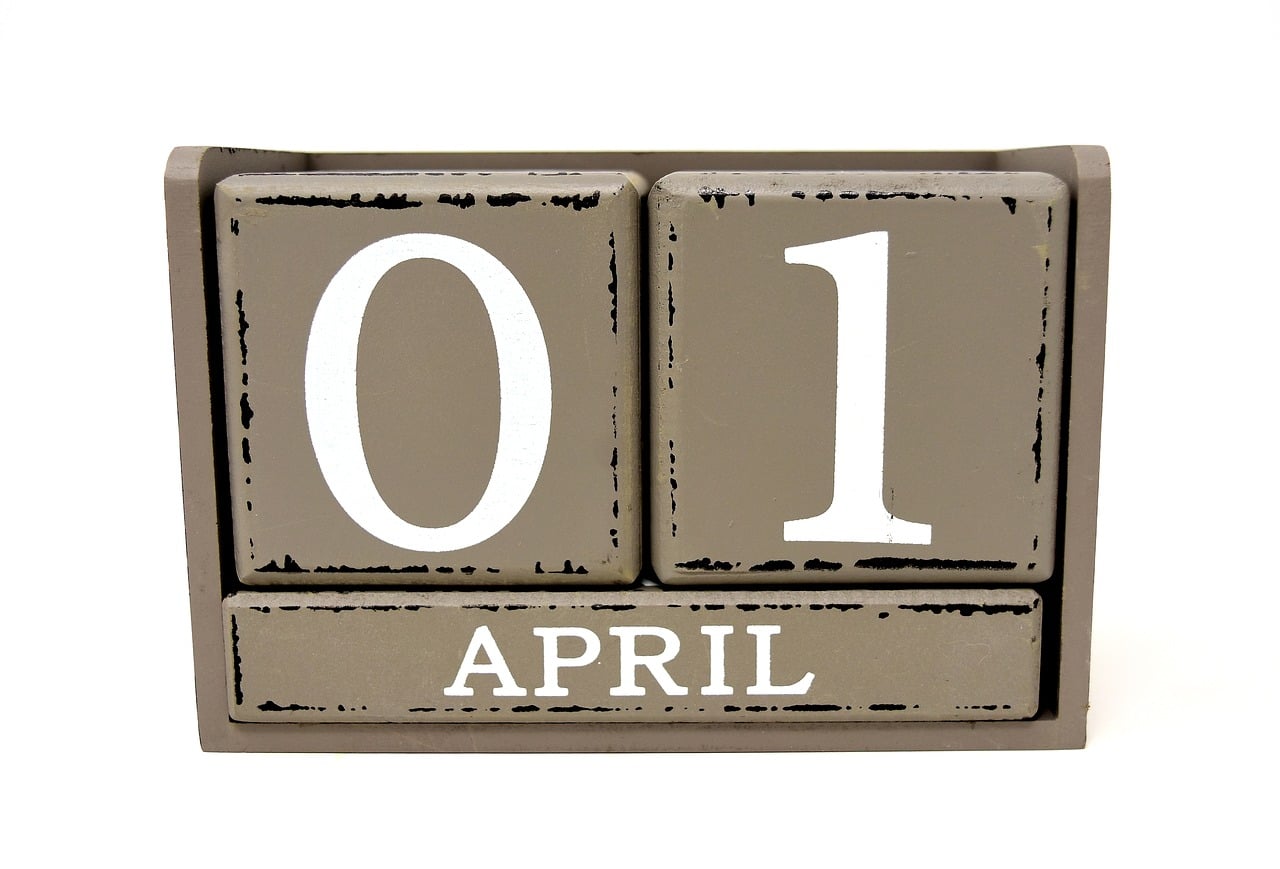
 April Fools’ Day (April 1) is a prank-filled tradition observed in many countries, but its origins and customs vary a lot depending on where you are. Below are 10 confirmed facts about where the day likely came from, how it’s celebrated around the world, and a few of the most famous hoaxes tied to it.