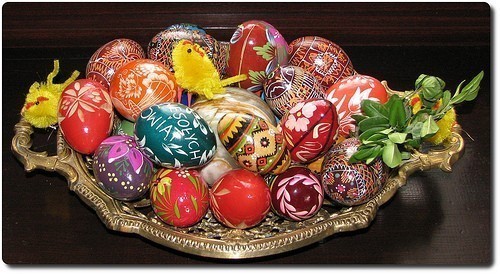
Easter is a Christian holiday that commemorates the resurrection of Jesus Christ. It’s also one of the biggest spring seasons for food, candy, decorations, and family gatherings—making it a major moment for consumer spending in the U.S.
Quick takeaways
- How the date is set (Western churches): Easter is observed on the first Sunday after the first full moon after the spring equinox (using an ecclesiastical calculation). (Britannica)
- U.S. spending (recent benchmark): The National Retail Federation reported consumers planned to spend $23.6 billion on Easter in 2025. (NRF)
- Top purchase categories (NRF survey): Candy (92%), food (89%), gifts (65%), decorations (51%), clothing (49%). (NRF)
On this page:
- How Easter’s date is determined
- Easter spending and shopping stats
- Food and tradition stats
- Easter candy stats
- Egg facts
- Easter lily stats
- Methodology
- FAQ
- Sources & references
Easter Facts and Statistics (2026)
How is Easter determined / When is Easter each year?
Britannica explains that (for Western churches) Easter is observed on the first Sunday following the first full moon after the spring equinox (using an ecclesiastical calculation), which is why the date changes year to year. (Britannica)
 Easter spending and shopping stats
 Easter spending and shopping stats
Total U.S. Easter spending (NRF estimate):
$23.6 billion (planned spending reported for 2025 by NRF and Prosper Insights & Analytics)
Most common Easter shopping categories (NRF survey):
- Candy: 92%
- Food: 89%
- Gifts: 65%
- Decorations: 51%
- Clothing: 49%
Source: NRF (2025 Easter survey)
Where Americans plan to shop for Easter items (NRF survey):
- Discount stores: 55%
- Department stores: 44%
- Online: 36%
- Local small businesses: 26%
Source: NRF (2025 Easter survey)
Food and tradition stats
How Americans plan to celebrate Easter Sunday (NRF survey):
- Cook a holiday meal: 58%
- Visit friends and family: 55%
- Attend church: 45%
Source: NRF (2025 Easter survey)
Families with kids planning an Easter egg hunt at home (NRF survey):
54% (among families with children). (NRF)
Easter candy stats
Number one non-chocolate Easter candy brand (company claim):
Just Born (maker of PEEPS®) states that PEEPS® Brand Candies have been the #1 non-chocolate brand at Easter for more than 20 years. (Just Born)
Egg facts
Number of eggs purchased in Austria during the Easter season (reported):
50 million eggs (The Local Austria, 2016)
Easter lily stats
“Easter Lily Capital of the World” (commonly cited):
Smith River, California is widely described as the Easter lily production hub—often called the “Easter Lily Capital of the World.” (ABC10)
How many Easter lilies are sold in North America each year (industry reporting):
Industry coverage has cited that the total number of Easter lilies sold in North America yearly is more than 10 million. (The Produce News)
So there you have it—date rules, shopping stats, food traditions, candy facts, egg numbers, and Easter lily production in one place.
Methodology
- Authoritative sourcing first: Holiday date explanation comes from Britannica; U.S. spending and behavior stats come from the National Retail Federation’s annual Easter survey with Prosper Insights & Analytics.
- No speculation: This article uses only reported figures and avoids projections beyond the source’s stated year.
- Source transparency: Every number is paired with a reference link in the Sources section.
FAQ
Why does Easter fall on different dates each year?
Because it’s tied to an ecclesiastical lunar-calendar calculation: the first Sunday after the first full moon after the spring equinox (Western churches). (Britannica)
How much do Americans spend on Easter?
NRF reported planned spending of $23.6 billion for Easter 2025, based on its annual survey with Prosper Insights & Analytics. (NRF)
What do people buy most often for Easter?
In NRF’s 2025 survey, the most common purchase categories were candy (92%) and food (89%), followed by gifts (65%), decorations (51%), and clothing (49%). (NRF)
Sources & references
- Britannica — How Easter’s date is determined
- National Retail Federation — Easter spending, purchase categories, and celebration behaviors (2025 survey)
- Just Born — PEEPS® #1 non-chocolate Easter brand claim
- The Local Austria — Austria Easter egg purchases (reported)
- ABC10 — Smith River and Easter lily production
- The Produce News — “More than 10 million” Easter lilies sold annually in North America