Physical Address
304 North Cardinal St.
Dorchester Center, MA 02124
Physical Address
304 North Cardinal St.
Dorchester Center, MA 02124

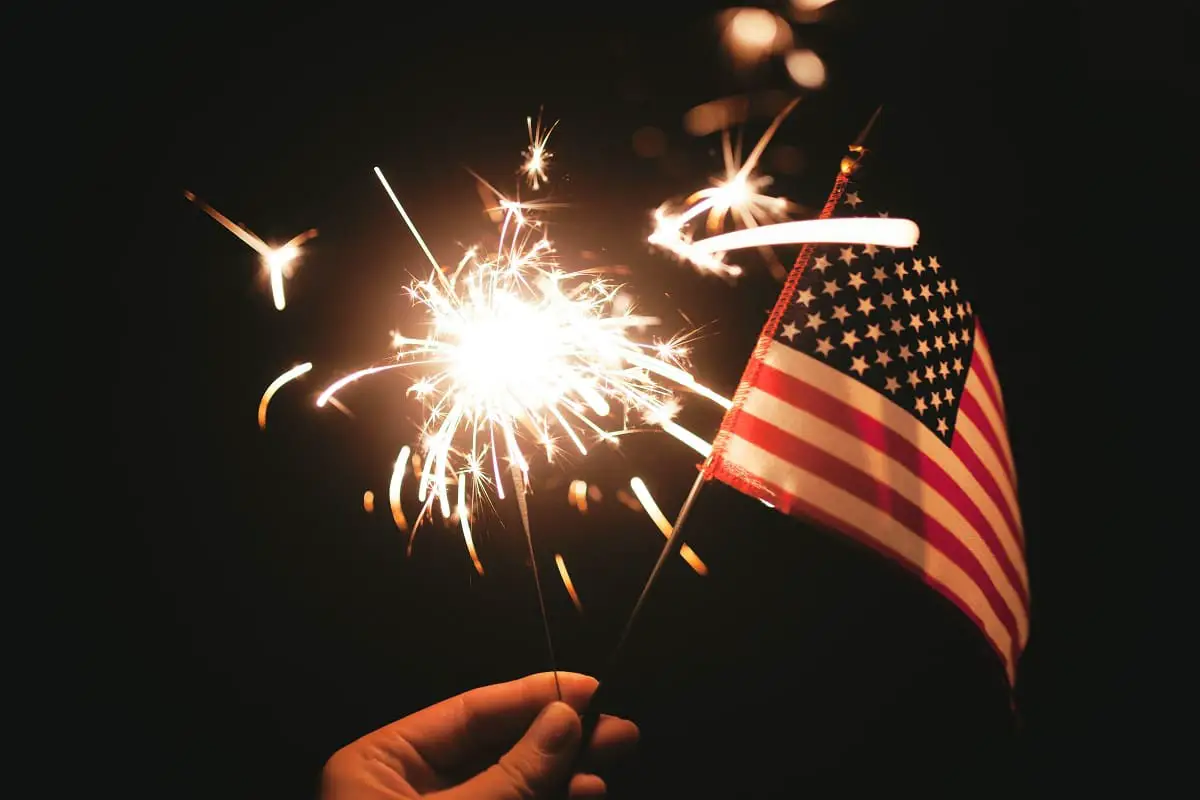
Celebrate Independence Day with updated 4th of July facts and stats: Declaration dates, fireworks origins, hot dog numbers, Liberty Bell myths, flag symbolism, and FAQs—plus an answer box and metrics table.
The 4th of July—also known as Independence Day—is one of America’s most recognizable holidays. It blends history and tradition with summertime staples like fireworks, parades, cookouts, and red-white-and-blue everything.
But a lot of what people “know” about July 4 comes from simplified stories. Below are updated fun facts and statistics (with clear year labels), plus a quick answer box, key metrics table, and FAQs.
Independence Day celebrates the adoption of the Declaration of Independence on July 4, 1776. While July 4 is the famous date, most delegates signed the engrossed copy on August 2, 1776. Fireworks became an early tradition—Philadelphia held a major first-anniversary celebration with fireworks on July 4, 1777. Today, Americans mark the holiday with parades, fireworks shows, and cookouts—including an estimated 150 million hot dogs eaten on July 4.
| Metric | Stat | Year / Notes |
|---|---|---|
| Declaration adopted | July 4, 1776 | Adoption date recognized as Independence Day |
| Main signing date (engrossed copy) | August 2, 1776 | Most delegates signed then; some signed later |
| First organized July 4 fireworks celebration | Philadelphia celebration with fireworks | 1777 (first anniversary) |
| Hot dogs eaten on July 4 | 150 million (estimate) | Modern annual estimate for Independence Day |
| U.S. flag stripes | 13 stripes | Represent the 13 original colonies |
| Fireworks-related injuries (ED treated) | Estimated 9,700 injuries | 2023 estimate (CPSC annual report) |
The Continental Congress adopted the Declaration of Independence on July 4, 1776. That adoption date is why July 4 is celebrated as Independence Day.
No. Most delegates signed the engrossed copy on August 2, 1776, and some signatures were added later.
Fireworks were featured in early celebrations. A major first-anniversary celebration with fireworks took place in Philadelphia on July 4, 1777.
A commonly cited estimate is 150 million hot dogs consumed on July 4.
The 13 stripes represent the 13 original colonies. Stars represent the states and have changed over time, but the stripes remain as a historical tribute.
In short: Independence Day is part history lesson, part community tradition, and part summer celebration—powered by symbols, stories, and rituals that have evolved for more than two centuries.