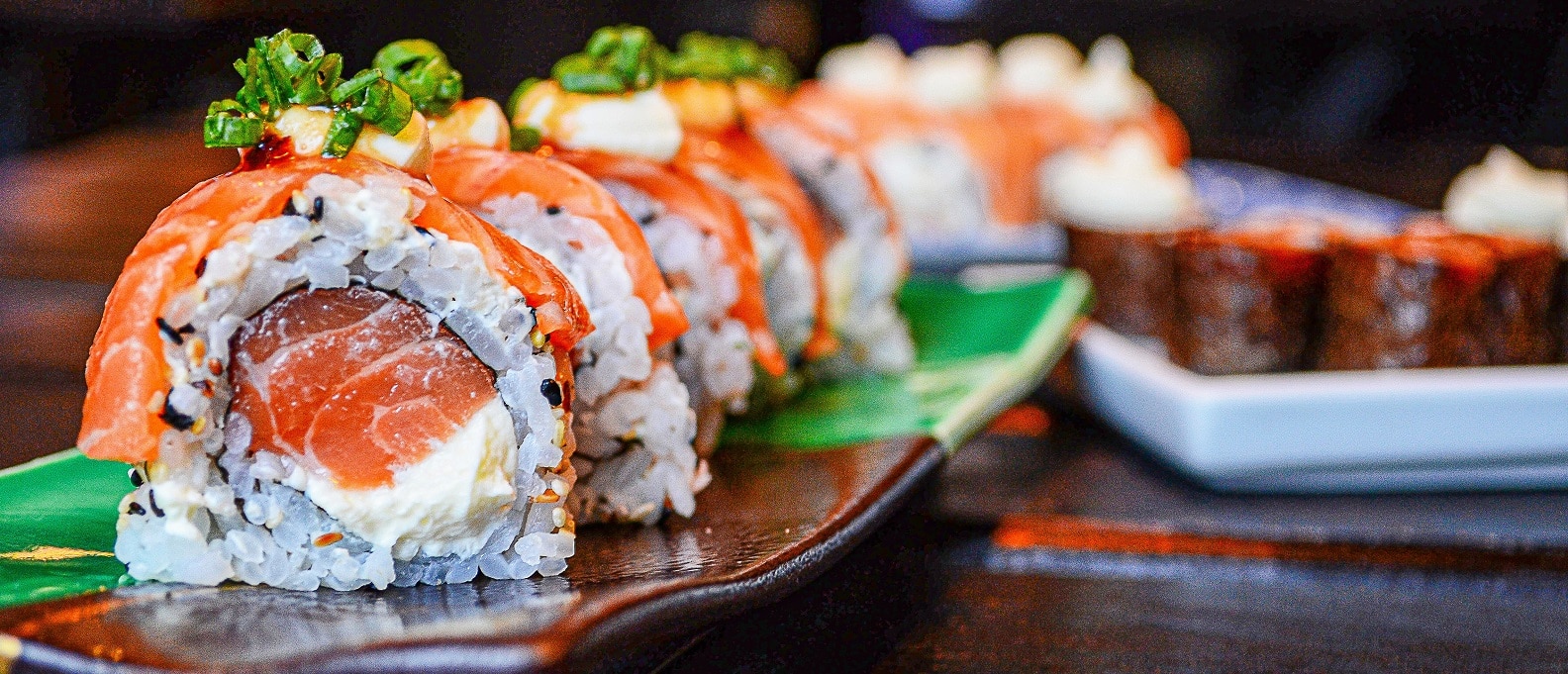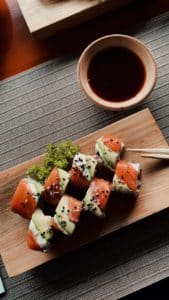
Sushi is one of the world’s most recognizable Japanese foods—but it’s also widely misunderstood. Below are 10 verified sushi facts for 2026, covering what sushi really is, where it came from, basic etiquette, and a few record-setting stats worth knowing.
10 Fun Facts About Sushi (2026)
Quick answer summary: In the simplest terms, sushi is defined by vinegared rice (not raw fish). Everything else—seafood, vegetables, egg, and more—builds on that base.
-
“Sushi” refers to the rice—not the fish.
The word sushi is tied to vinegar-seasoned rice. Raw fish by itself is typically referred to as sashimi, not sushi.
-
Sushi began as a method of preserving fish.
One of sushi’s earliest forms was narezushi, where fish was preserved through fermentation with rice. Over time, sushi evolved into faster, fresher styles.
-
Modern “nigiri” sushi is linked to Edo-era Tokyo in the 1820s.
Modern nigiri-zushi (fish over hand-pressed rice) is widely associated with Hanaya Yohei in Edo (now Tokyo), often described as an early “fast food” style for busy city life.
-
It’s traditional (and acceptable) to eat nigiri with your fingers.
In many sushi settings—especially with nigiri—eating with your hands is considered normal. Chopsticks are also fine, but fingers are not “wrong.”
-
Mixing wasabi into soy sauce is commonly discouraged by sushi chefs.
Many chefs already apply the intended amount of wasabi to nigiri. A frequent etiquette tip is don’t mix wasabi into the soy sauce—use soy lightly and trust the chef’s balance.
-
When using soy sauce, avoid soaking the rice.
A common approach is to dip fish-side (not rice-side) into soy sauce so the rice doesn’t fall apart or absorb too much salt.
-
Sushi rice is seasoned—typically with vinegar, sugar, and salt.
Sushi rice (often called sushi-meshi or sumeshi) is defined by its seasoning. The rice seasoning is a big part of what makes sushi “sushi.”
-
A record-setting tuna sold for ¥510.3 million at Tokyo’s Toyosu Market (January 5, 2026).
The first tuna auction of 2026 at Toyosu Market produced a record top bid of ¥510.3 million for a single bluefin tuna—an annual event known for symbolic, headline-grabbing prices.
-
In the U.S., fish served raw is commonly subject to “parasite destruction” freezing rules.
Many food safety codes require fish intended to be served raw to be frozen under specific time/temperature combinations to reduce parasite risk (with specific exemptions depending on species and sourcing).
-
Sushi and sashimi are not the same thing.
Sushi includes vinegar-seasoned rice, while sashimi is thinly sliced raw seafood served without rice. Nigiri combines seafood and a small mound of sushi rice.
Sources & References
- PBS Food – History of Sushi
- Condé Nast Traveler – Sushi etiquette basics
- Food & Wine – Morimoto’s sushi rules
- Serious Eats – Sushi rice seasoning
- Southern Living – Sushi vs. sashimi vs. nigiri
- Reuters – Toyosu 2026 record tuna auction
- AP News – Toyosu 2026 record tuna auction
- Nippon.com – 2026 New Year tuna auction record
- Cornell Law – Parasite Destruction (3-402.11)