Physical Address
304 North Cardinal St.
Dorchester Center, MA 02124
Physical Address
304 North Cardinal St.
Dorchester Center, MA 02124

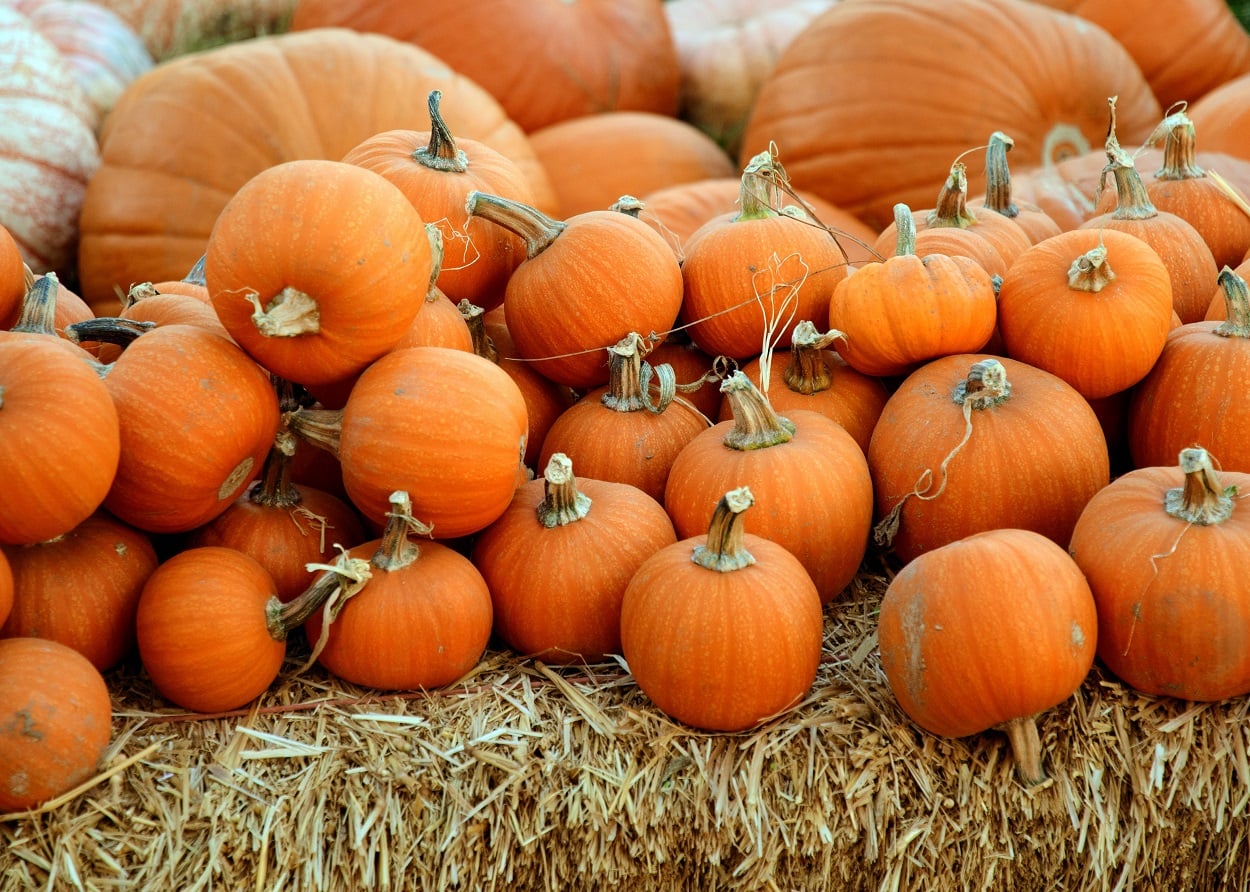
Discover updated pumpkin facts and stats for 2026: U.S. production totals, nutrition highlights, world-record pumpkins and pies, jack-o’-lantern origins, and FAQs—plus an answer box and key metrics table.
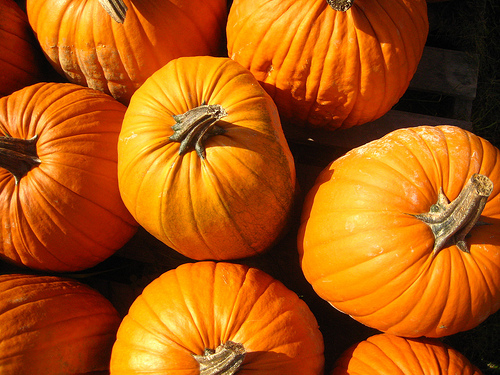
Pumpkins are the MVP of fall. They’re decorations, desserts, soups, seeds-for-snacking, and the unofficial mascot of sweater weather. But beyond pumpkin spice season, there’s a surprising amount of real “by the numbers” pumpkin trivia—from U.S. farming totals to world-record giants that weigh more than a small car.
Below are updated pumpkin facts and stats (with year labels for historical records), plus a quick answer box, a key metrics table, and FAQs.
Pumpkins are squash in the Cucurbitaceae family (related to cucumbers and melons) and they’re a nutrition-friendly ingredient: 1 cup cooked pumpkin is about 49 calories. In the U.S., pumpkin farming is big business—2024 production reached 1.44 billion pounds, with Illinois producing about 485 million pounds. And yes, pumpkin records are wild: the heaviest pumpkin record is 2,819.3 pounds (2025), while the largest pumpkin pie ever baked weighed 3,699 pounds (2010).
| Metric | Stat | Year / Notes |
|---|---|---|
| U.S. pumpkin production | 1.44 billion pounds | 2024 (USDA ERS) |
| Top-producing state output | ~485 million pounds (Illinois) | 2024 (USDA ERS) |
| Heaviest pumpkin (world record) | 2,819.3 lb | 2025 (reported as record) |
| Largest pumpkin pie (world record) | 3,699 lb (1,678 kg) | 2010 (Guinness World Records) |
| Cooked pumpkin calories | 49 calories per 1 cup (245g) | USDA-based nutrition data |
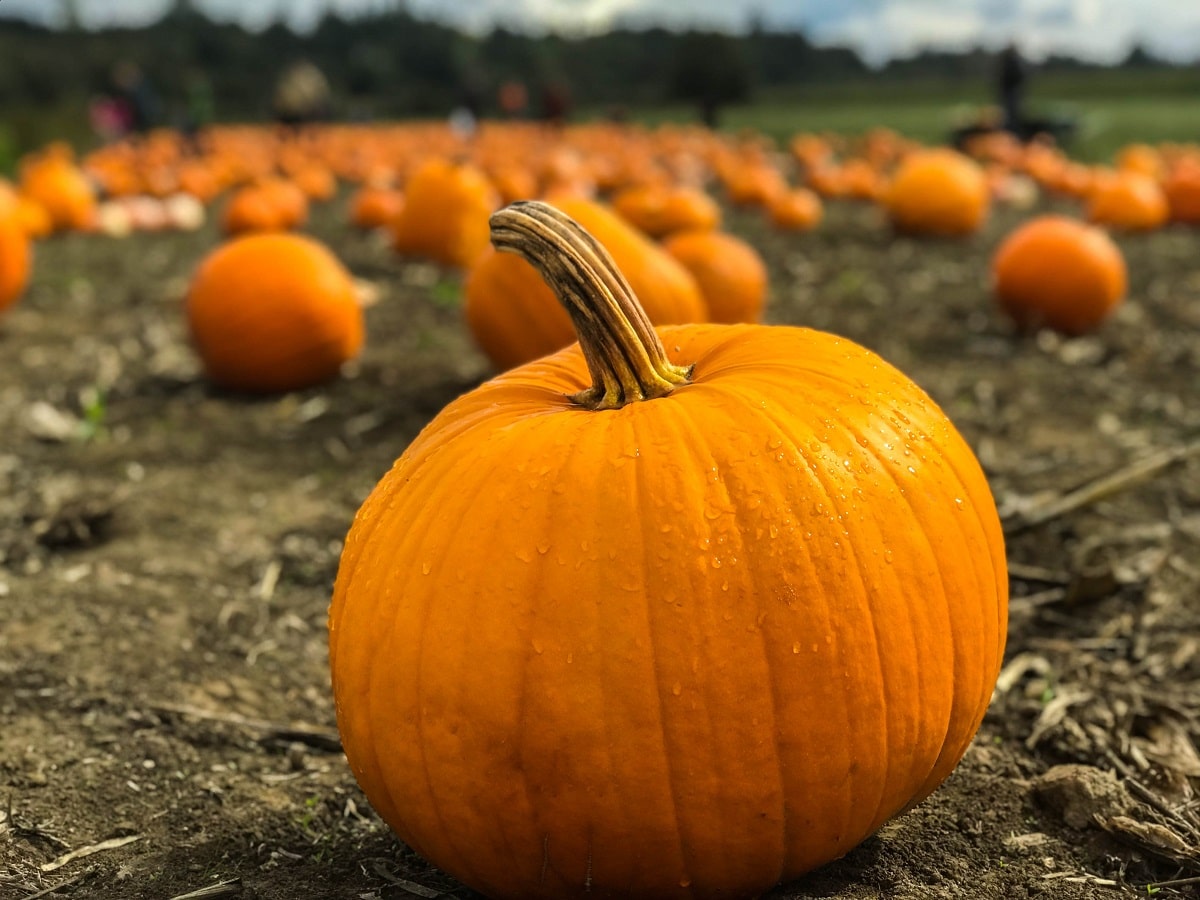
Botanically, pumpkins are a fruit because they develop from a flower and contain seeds. In cooking, they’re often treated like a vegetable.
Illinois is consistently the top producer. USDA ERS reports Illinois produced about 485 million pounds in 2024.
A widely reported world record pumpkin weighed 2,819.3 pounds in 2025.
The Guinness World Records title for largest pumpkin pie is 3,699 pounds, made in 2010 in New Bremen, Ohio.
Yes—pumpkin seeds are known for minerals like magnesium and zinc, plus plant-based protein. Nutrition varies by preparation (raw vs. roasted, salted vs. unsalted).
Bottom line: Pumpkins aren’t just seasonal décor—they’re a major crop, a versatile food, and the subject of some truly outrageous world records. Whether you’re carving, baking, or roasting seeds, you’re participating in a fall tradition with deep roots and big numbers.