
Ice cream is one of the world’s most-loved desserts, but its story is full of surprising history, science, and record-setting moments. Below are 10 fun (and source-backed) facts about ice cream for 2026—each one verified with a reference so you can dig deeper.
Quick summary: Ice cream’s roots stretch back to early chilled dairy desserts in China; vanilla is a long-running favorite in the U.S.; and the world’s largest sundae weighed nearly 25 metric tons.
10 Fun Facts About Ice Cream for 2026
- Some of the earliest “ice + milk” desserts were documented in China. Historians often point to early chilled milk-and-ice treats (sometimes linked to China’s Tang Dynasty era) as important precursors to modern ice cream. (Source)
- Thomas Jefferson wrote down a vanilla ice cream recipe in the 1780s. His handwritten recipe survives (and is often cited as one of the best-known early American ice cream recipes). (Source)
- The ice cream cone was popularized at the 1904 St. Louis World’s Fair—but it wasn’t a single-person invention. Edible “cones” and wafer-style cups existed earlier, and multiple inventors and vendors have been credited over time. (Source)
- The world’s largest ice cream sundae weighed 24.91 tonnes (54,917 lb). It was made in Edmonton, Alberta, Canada on July 24, 1988. (Source)
- In the U.S., regular ice cream consumption has trended down in recent decades. USDA-tracked data (summarized in industry reporting) shows per-capita regular ice cream consumption at 11.7 lb per person in 2023. (Source)
- Ice cream is “aerated”—air is a core part of its texture. During freezing/churning, air is incorporated into the mix (often discussed as “overrun”), which helps create the light, scoopable structure people recognize as ice cream. (Source)
- The safest baseline freezer temperature is 0°F (-18°C) or colder. That’s the FDA’s general guidance for safe frozen storage (quality can still decline over time, even if food remains safe). (Source)
- Vanilla is consistently one of the top ice cream flavors in the U.S. Industry reporting and surveys regularly rank vanilla at or near #1 in the U.S. market. (Source)
- Home freezer placement matters: ice cream keeps best in the back. Temperature swings are usually worse near the door, which can lead to icier texture over time. Storing ice cream deeper in the freezer helps it stay more consistent. (Source)
- Japan is famous for unusual novelty ice cream flavors. Beyond classics, Japan’s novelty market has featured flavors like wasabi and soy sauce (among many others) over the years. (Source)
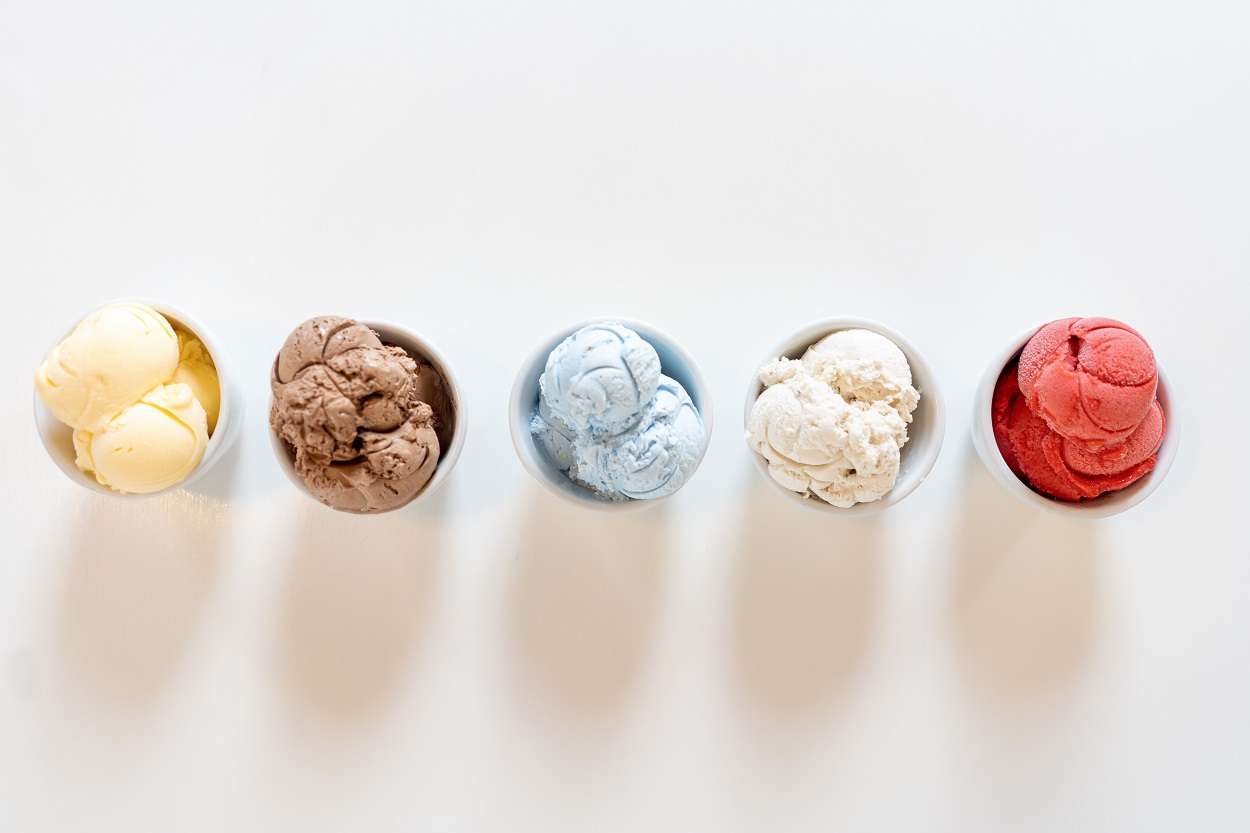
Photo by Courtney Cook on Unsplash
Sources & references
- History.com – Ice cream history overview
- UVA Magazine – Jefferson’s ice cream recipe context
- Serious Eats – Ice cream cone history
- Guinness World Records – Largest ice cream sundae
- DairyReporter – USDA consumption highlights
- IDFA – Ice cream basics
- FDA – Freezer storage guidance (0°F)
- USDA FSIS – Freezing and food safety
- Japan Today – Examples of unusual Japanese ice cream flavors
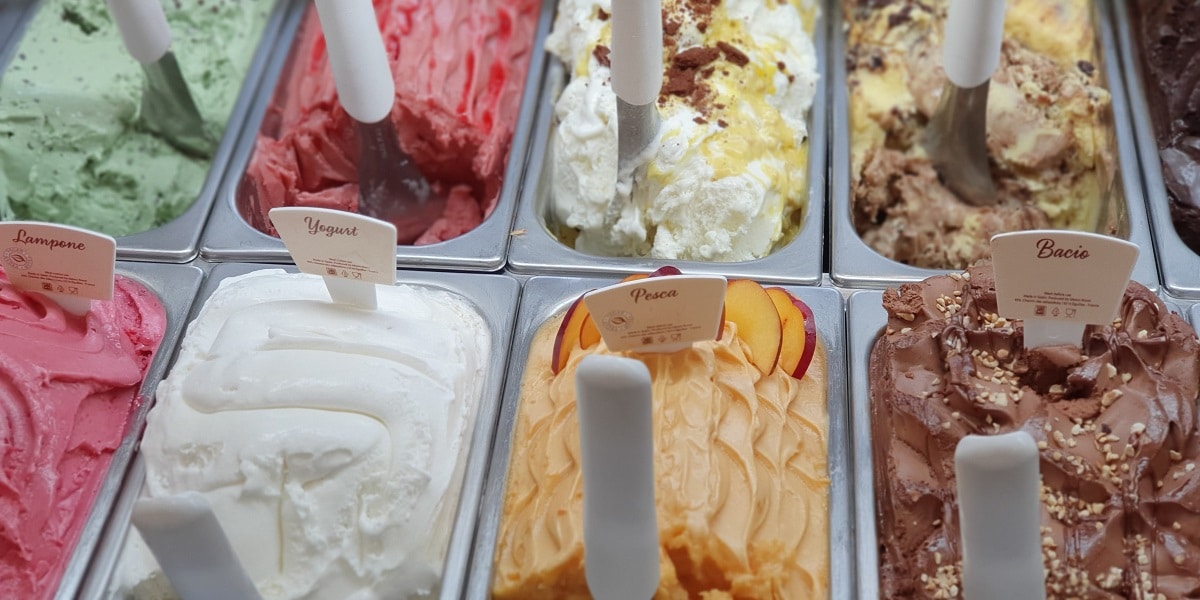
Photo by Lama Roscu on Unsplash
That’s all for now. Check back soon as new stats and records are published and this post is refreshed.